





POSH Compliance Consultant India: Complete 2026 Guide for HR Leaders and Founders
One complaint can reveal a serious gap in your organisation’s workplace-safety framework.
A complaint filed through SHe-Box, an improperly constituted Internal Committee, or incomplete compliance records can expose an organisation to legal, regulatory, and reputational risk. This is why working with a POSH compliance consultant India can help HR teams, founders, and employers create a safe and compliant workplace.
The POSH Act has been in force since 2013, yet many organisations are still not prepared to handle a complaint fairly, confidentially, and within the required timeline. In 2026, employer accountability is receiving greater attention through district-level surveys, SHe-Box onboarding, and court-led compliance monitoring.
What Is Posh Act Compliance?
POSH compliance means following the Sexual Harassment of Women at Workplace (Prevention, Prohibition and Redressal) Act, 2013.
The law requires employers to prevent sexual harassment, prohibit unwelcome behaviour, and provide a fair internal mechanism for addressing complaints. Effective POSH Act compliance is not limited to having a policy on paper. It requires awareness, trained people, accurate records, and a process that employees can trust.
A strong workplace framework helps organisations protect employees, meet legal responsibilities, and build a culture of dignity and respect.
What Is Considered Sexual Harassment?
-Sexual harassment may include:
-Unwelcome physical contact or advances.
-Requests or demands for sexual favours.
-Sexually suggestive comments, jokes, messages, or staring.
-Displaying inappropriate images, videos, or messages.
-Unwanted messages through video calls, emails, WhatsApp, Slack, or other work platforms.
-The important question is whether the conduct is unwelcome and whether it creates discomfort, intimidation, humiliation, or an unsafe work environment.
Who Needs to Comply with POSH?
POSH applies to most workplaces in India, including startups, corporates, MSMEs, NGOs, hospitals, factories, and educational institutions.
Workplaces with 10 or more employees must form an Internal Committee. Organisations with fewer than 10 employees may refer complaints to the Local Committee established by the district authority.
The law can cover employees, interns, consultants, freelancers, trainees, and contract workers. Remote and hybrid work settings must also be covered because work-related harassment can occur through virtual meetings, emails, and messaging platforms.
For educational institutions, POSH compliance protects employees and adult students where applicable. However, POCSO policy compliance for schools is a separate legal responsibility focused on protecting children. Schools should maintain both a POSH framework and robust POCSO policy compliance for schools procedures.
Key POSH Compliance Requirements

1. Create a Clear POSH Policy
Every organisation should have a written POSH policy that defines sexual harassment, explains how complaints can be filed, outlines confidentiality expectations, and covers digital and remote work. A clear POSH policy for companies should be shared with all employees and included in onboarding, employee handbooks, and workplace awareness materials.

2. Internal Committee (IC) Setup POSH Act
Proper Internal Committee (IC) setup POSH Act compliance is essential for workplaces with 10 or more employees. The IC should include a senior woman employee as the Presiding Officer, at least two employee members, and one eligible external member from an NGO, women’s rights association, or a person familiar with issues relating to sexual harassment. An incomplete or inactive IC can weaken the entire complaint-redressal process. Employers must ensure that their Internal Committee (IC) setup POSH Act requirements are met and that members understand their responsibilities.

3. POSH Training for Employees and Managers
Regular POSH training for employees and managers is one of the most effective ways to prevent harassment. Training should help employees understand appropriate workplace conduct, reporting channels, confidentiality, digital behaviour, and bystander responsibility. IC members need specialised training on handling complaints, reviewing evidence, conducting inquiries, maintaining documentation, and applying principles of natural justice. Well-designed POSH training for employees and managers should be role-specific rather than a generic, one-time presentation.

4. Handle Complaints Fairly
The complaint process should be clear, confidential, and time-bound. Complaints are generally required to be filed within three months of the incident, subject to legally permitted extensions in appropriate cases. The IC must give both parties a fair opportunity to be heard, review evidence carefully, and complete the inquiry within the prescribed timeline. Monetary settlement cannot be the basis of conciliation.

5. Maintain Proper Documentation
Employers should maintain records of POSH policies, training sessions, IC meetings, complaints, inquiry reports, recommendations, and action taken. Strong documentation helps demonstrate POSH compliance requirements during an audit, inquiry, or regulatory review.

6. File Annual Reports and Review SHe-Box Requirements
A POSH annual report should include the number of complaints received, cases resolved, pending cases, and awareness programmes conducted. Employers should complete their reporting obligations with the relevant authority. Organisations should also review applicable SHe-Box registration or onboarding requirements for their state, sector, and workplace.
POSH Compliance Checklist
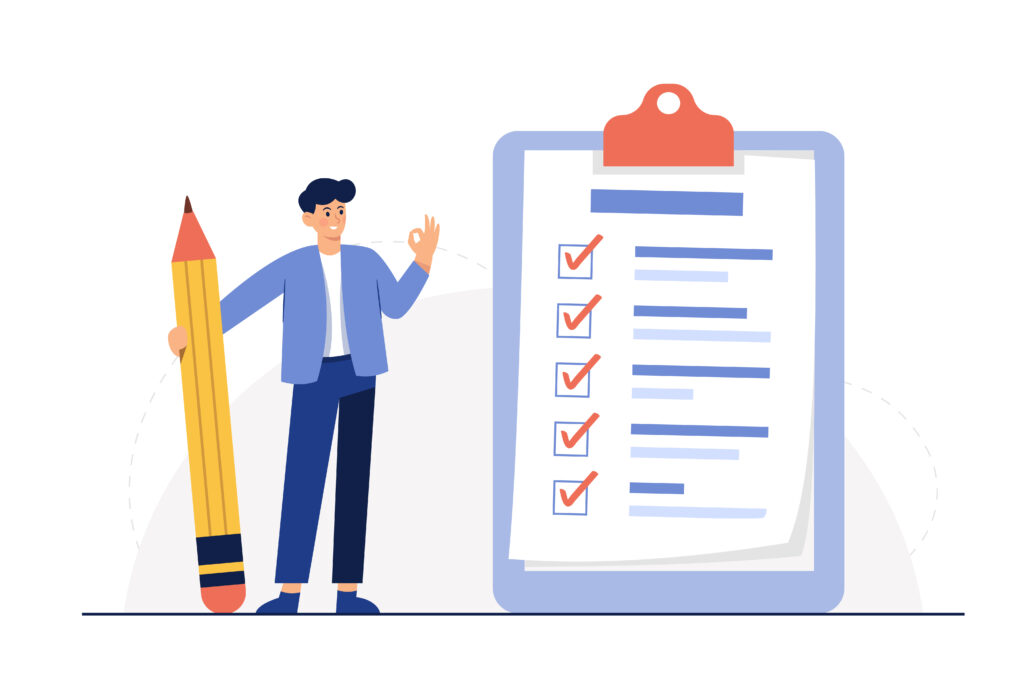
Here is a simple checklist to ensure your organisation is compliant :
1. POSH policy drafted, updated for digital work, and communicated to all
2. IC including 50% women and a senior female leader
3. External Member appointed from an NGO to ensure fairness and neutrality
4. SHe-Box Registration completed for the current year
5. Annual Training conducted for all staff and specialised for the IC
6. All records and documentation are maintained
7. Annual POSH return filed with the District Officer

POSH Act for Startups and Small Businesses
The POSH Act for startups should not be treated as something to address only when the team becomes large. Even small businesses should build awareness, establish respectful workplace behaviour, and understand the Local Committee process. A safe workplace culture helps organisations attract talent, retain employees, and build long-term credibility.

POSH Penalties in India
POSH penalties in India can include fines of up to ₹50,000 for specified non-compliance, including failure to constitute an Internal Committee or meet other statutory duties. Repeat violations may result in higher penalties and, in certain cases, cancellation or withdrawal of licence or registration.

How a POSH Compliance Consultant Can Help
A POSH compliance consultant India can help organisations draft policies, support IC formation, appoint an eligible external member, conduct training, maintain audit-ready records, and handle sensitive matters with care. POSH compliance for HR teams is not merely a legal obligation. It is a commitment to a workplace where safety, dignity, and respect are non-negotiable.

Frequently Asked Questions
Yes. Every employer must meet the POSH Act obligations that apply to its workplace, including providing a safe working environment and conducting regular awareness programmes. Workplaces with 10 or more employees must complete an Internal Committee (IC) setup POSH Act requirement. Organisations with fewer than 10 employees should follow the Local Committee process for complaints. A POSH compliance consultant India can help employers understand the requirements applicable to their organisation.
The POSH Act requires employers to conduct workshops and awareness programmes at regular intervals and provide orientation for Internal Committee members. While the Act does not prescribe a fixed annual frequency, annual sessions and POSH onboarding for new hires are widely followed good practices. Regular POSH training for employees and managers helps create awareness, prevent misconduct, and strengthen compliance.
No. Startups should build a safe and respectful workplace culture from their earliest stage. Even before reaching 10 employees, founders should have a clear POSH policy, communicate expected workplace behaviour, conduct awareness sessions, and understand the Local Committee process. Once the organisation reaches 10 employees, it must constitute an Internal Committee.
Yes, POSH can apply to work-related conduct in remote and hybrid settings. Unwelcome behaviour during video meetings, work emails, messaging platforms, virtual events, or other professional interactions may fall within the POSH framework when it is connected to work. Employers should include digital conduct and remote-work expectations in their POSH policy.
Yes, where applicable. POSH protects women from sexual harassment in the workplace, while POCSO policy compliance for schools focuses on the protection of children from sexual offences. Educational institutions should maintain clear POSH processes for employees and appropriate POCSO policy compliance for schools procedures to safeguard students.
POSH compliance isn’t a legal chore but a foundation of a healthy, trusted organisation.
In 2026, organisations are no longer judged on whether they have a POSH policy or an Internal Committee on paper. They are assessed on whether their POSH framework can withstand judicial scrutiny, regulatory review, and workforce expectations.
The question is no longer “Are we technically compliant?”
It’s “Could we defend our POSH framework in court tomorrow?”
If you’re not sure of the answer, let’s talk.